Green Horizon: How Eco-Products and Handicrafts Are Leading Bangladesh’s Export Diversification
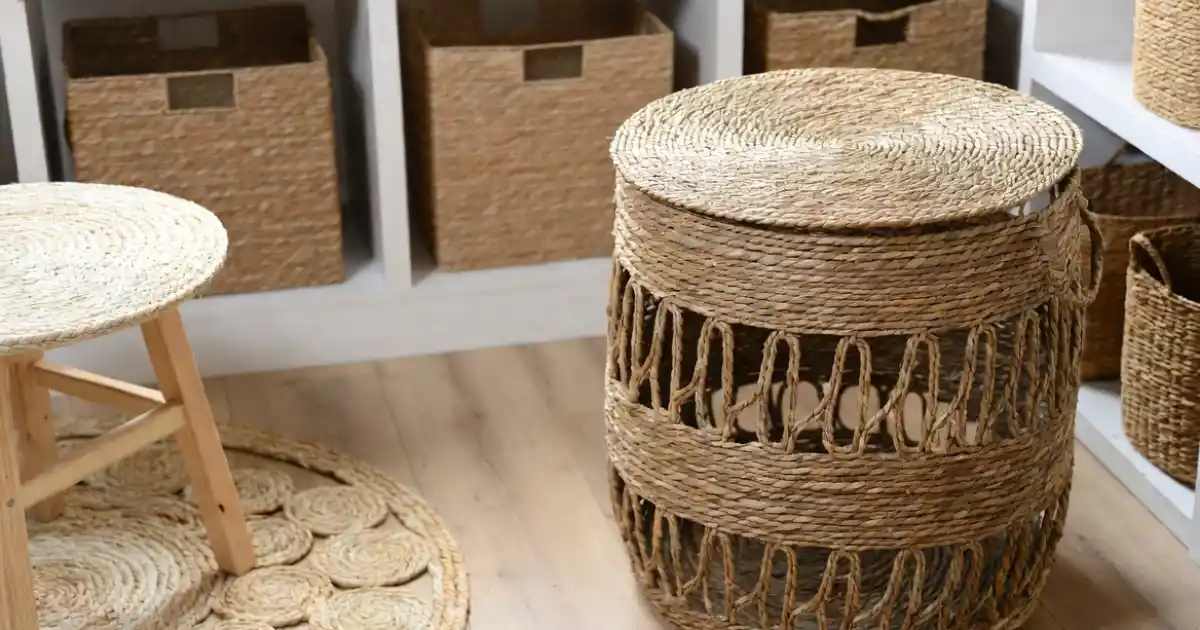
As Bangladesh navigates its impending graduation from the Least Developed Country (LDC) status, economists and trade bodies are urging the nation to diversify away from its 85% reliance on apparel. While ready-made garments (RMG) generated $38.70 billion in the newly concluded FY2025–26 fiscal year, a quiet green revolution is taking place in rural enterprise zones.
Driven by an unprecedented global demand for plastic alternatives and zero-carbon homeware, Bangladesh’s eco-products and non-traditional handicrafts sector has evolved into a vital macroeconomic pillar. Powered by indigenous materials like jute, hogla (seagrass), water hyacinth, and bamboo, these products are transitioning from local craft fairs to high-end retail shelves in Western Europe, North America, and Japan.
🌿 The Material Matrix: Nature as an Industrial Resource
The core competitive advantage of Bangladesh’s eco-export industry lies in its completely biodegradable, carbon-sink raw materials. Unlike synthetic alternatives, these materials require zero chemical processing to harvest.
       [ Rural Harvesters ] ===> [ Craft Artisans ] ===> [ Global Freight ]
       • Jute (Golden Fiber)      • Hand-weaving          • LEED-Certified Hubs
       • Hogla & Seagrass         • Zero-Carbon Input     • IKEA, Zara Home, Target
       • Upcycled Garment Waste   • Decentralized Jobs    • Premium Green Pricing
-
The Golden Fiber Renaissance: Jute and jute goods remain the heavyweights of this sector, generating over $883.69 million in annual export earnings.
Moving beyond crude gunny bags, manufacturers are now exporting advanced jute geotextiles, biodegradable shopping bags, and high-fashion jute upholstery fabrics. -
Hogla (Seagrass) & Water Hyacinth: Grown abundantly in the southern wetlands, hogla and water hyacinth are harvested, dried, and woven by rural women’s cooperatives into premium storage baskets, floor mats, and dining accessories. These items have become staple components of Western interior design trends like “Scandi-boho” and minimalism.
-
Upcycled Fashion Accessories: Bridging the gap between the RMG sector and handicrafts, manufacturers are increasingly redirecting pre-consumer textile waste (jhut) away from landfills, converting it into premium upcycled rugs, denim-patchwork bags, and home textiles.
Shifting from Bulk Supply to Premium Global Retailers
Historically, Bangladesh’s craft sector operated through middlemen, selling unbranded items at minimal margins. Today, local design-driven manufacturers are securing direct supplier contracts with major global corporations like IKEA, Zara Home, Target, and Carrefour.
| Export Material | Core Product Applications | Dominant International Markets | Consumer Segment |
| Jute & Hemp | Carpet backing, luxury tote bags, structural geotextiles | Germany, USA, Netherlands, Turkey | Eco-conscious corporate packaging & agriculture |
| Hogla & Sabri Grass | Storage bins, laundry baskets, functional tableware | France, Japan, South Korea, UK | Premium home decor & lifestyle retail |
| Upcycled Cotton / Jhut | Braided area rugs, industrial canvas, cushion covers | Spain, Canada, Scandinavia | Circular economy and zero-waste fashion lines |
Structural Headwinds Facing the Sector
Despite the immense market potential, scaling Bangladesh’s eco-export footprint from millions to billions of dollars requires addressing key structural challenges:
-
The Compliance Gap: High-value Western markets demand strict compliance certifications, such as the Forest Stewardship Council (FSC) for bamboo/wood, Global Organic Textile Standard (GOTS) for textiles, and rigorous fair-trade verification. Small and Medium Enterprises (SMEs) frequently struggle to fund these audit processes.
-
Logistical Fragility: Because handicraft production is highly decentralized—scattered across rural hubs in Rangpur, Jessore, and Nilphamari—consolidating supply chains and maintaining strict dimensional quality control across thousands of hand-woven pieces introduces friction.
-
Lack of Institutional R&D: While local artisans possess generational talent, the sector requires automated processing machinery to treat raw fibers against dampness and pest vulnerabilities during prolonged sea-freight transit.
The Strategic Path Forward
To unlock the full potential of Bangladesh’s green economy, the state must treat the eco-product sector with the same strategic priority historically given to apparel.
First, the Export Promotion Bureau (EPB) should establish dedicated Green Craft SEZs (Special Economic Zones) near rural raw-material hubs. Providing automated common-facility centers for drying, processing, and pest-treating organic fibers will instantly stabilize product consistency.
Second, the government should subsidize international environmental compliance certification costs for domestic SMEs. By branding the nation’s output as ethically sourced and entirely carbon-neutral, Bangladesh can position its artisanal eco-products not as cheap novelties, but as essential, premium solutions for a sustainable global future.
JAR Group Global Services
Integrated Maritime, Logistics, Recruitment, Trading and Consumer Brands.
🚢 JAR WORLD SHIPPING LINE
Port Agency, Shipping Agency, Vessel Operations, Chartering, Project Cargo and Maritime Services.
Visit Website📦 JAR WORLD LOGISTICS
International Freight Forwarding, Sea Freight, Air Freight, Customs Clearance and Global Logistics.
Learn More⚓ JAR WORLD MARINE
MLC Compliant Crew Recruitment, Marine Manning, Crew Management and Offshore Support.
Explore🌍 JAR LIMITED
International Trading, Consumer Brands, Tea, Import, Export and Global Business Development.
Visit Website